Research
Marine and ocean sciences have been areas of excellence at the University of California, Santa Cruz (UCSC) since the 1970’s. The Ocean Sciences department at UCSC has an international reputation in research and graduate and postdoctoral education. UCSC’s location on the Monterey Bay National Marine Sanctuary and the impressive growth of marine and ocean science initiatives at UCSC and surrounding institutions make this an outstanding collegial and collaborative setting for research. Intellectual strengths include biological oceanography, marine microbial ecology, chemical oceanography, marine biogeochemistry, paleoceanography and paleoclimatology, physical oceanography and climatology, and biological-physical modeling of the marine environment.
The Ocean Sciences department is distinguished by our high quality faculty and research programs, by our existing and expanding world-class research facilities, and by our integration of graduate education and undergraduate education in the ocean sciences and the related fundamental science disciplines. Although small in size relative to the major U.S. schools of oceanography, we have substantial presence and impact in our field. UCSC Ocean Sciences faculty members share a common disciplinary framework in our intellectual approach to understanding and investigating the ocean, present and past.
Evolving from the traditional oceanography subdivisions of biological oceanography, chemical oceanography, physical oceanography, and marine geology and geophysics, our small department is structured around thematic areas of emphasis. Faculty members’ academic interests and interactions are not limited by these thematic groupings, and typically span more than one area. The flexibility of the faculty approach to these thematic groupings allows for effective research interactions that cross departmental and divisional boundaries at UCSC, and create a larger impact than might be expected from our size. For example, interactions between faculty in Ocean Sciences and Earth & Planetary Sciences have established areas of excellence in paleoceanography and paleoclimatology. The paleoceanography faculty members in Ocean Sciences and EPS, along with colleagues in EPS, have extensive involvement in scientific ocean drilling, including participation in and leadership roles in the Integrated Ocean Drilling Program and its predecessor, the Ocean Drilling Program.
Research Partners
The Ocean Sciences faculty interact with a variety of researchers from on-campus to off-campus researchers, governmental agencies and non-governmental organizations. We cultivate strong research and academic ties with other academic departments and programs at UCSC, including:
Our research efforts are also supported by our membership and participation in inter- and multi-disciplinary, cross-cutting research units, including:
Ocean Sciences faculty, researchers, postdocs and graduate students work with colleagues at many regional institutions, including:
Explore our faculty’s research expertise by discipline:
Biological Oceanography
Biological Oceanography is the study of processes affecting the abundance, production, and variability of life in the oceans.

I am focused on using new biotelemetry technology to understand the underwater behavior and ecology of marine mammals.
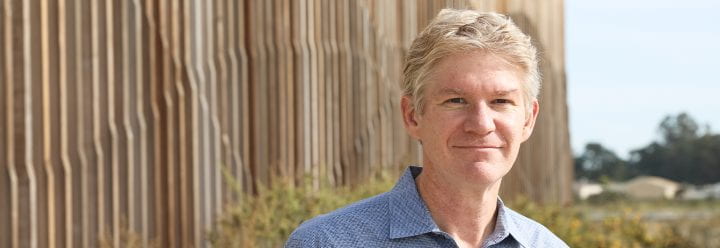
My research is focused on phytoplankton dynamics in the Eastern Pacific Ocean coastal region and finding new applications for remote sensing technology.
Chemical Oceanography
Chemical Oceanography encompasses the study of the chemical components of the oceans, their reactions, and their pathways of transformation. We study both organic and inorganic compounds, particulate and dissolved material, and the ocean sediments.
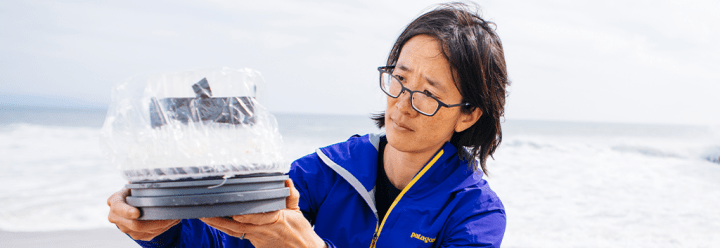
I am a chemical oceanographer who studies the role of marine particles in the cycling of carbon, nutrients, and trace elements and isotopes in the ocean.

My research investigates the biogeochemistry of mercury and other trace metals in the ocean, land, and cryosphere at a variety of time and space scales.
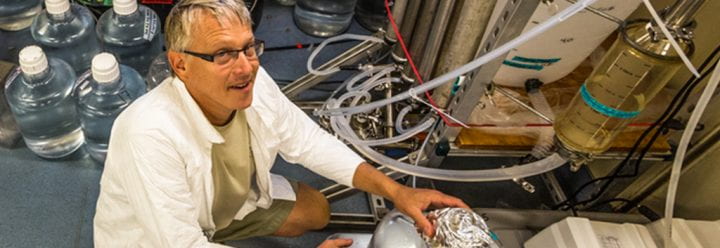
I use of amino acids and other nitrogen-containing biomarkers to study open ocean and hydrothermal sea floor ecosystems and biogeochemical cycles.
Geological Oceanography
A geological oceanographer studies the topography, structure, and geological processes of the ocean floor to discover how the Earth and oceans were formed and how ongoing processes may change them in the future.
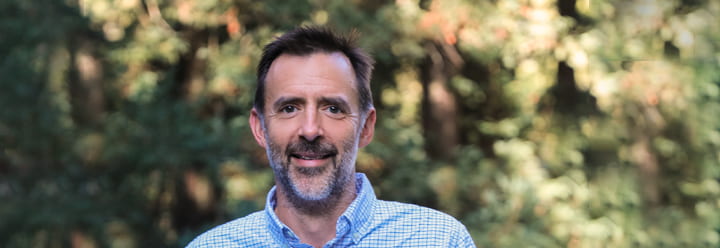
I study how the water cycle, temperature, oceans, and vegetation responded to past climatic change, particularly warm periods in Earth’s history, using molecular and isotopic analyses of marine and terrestrial sediments.

I study stable isotope geochemistry, paleoceanography, and paleoclimatology.
Physical Oceanography
Physical Oceanography is the field of study that deals with mechanisms of energy transfer through the sea and across its boundaries, and with the physical interactions of the sea with its surroundings, especially including the influence of the seas on the climate of the atmosphere.
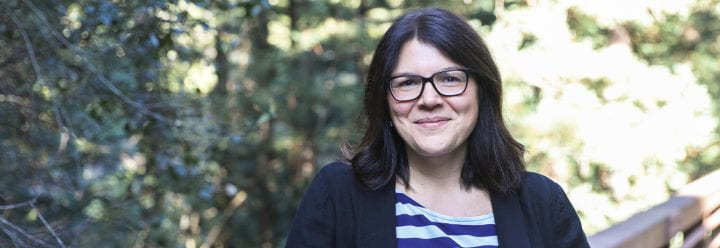
My research is interested in quantifying ocean and climate variability and change through advanced statistical tools.
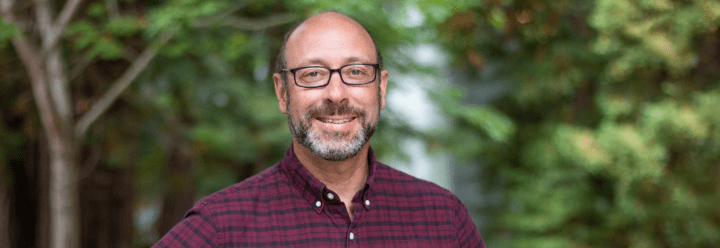
I use ocean models to investigate dynamics of the coastal ocean, including the physical circulation, ocean ecosystem processes, and mechanisms for larval transport with implications for marine population connectivity.
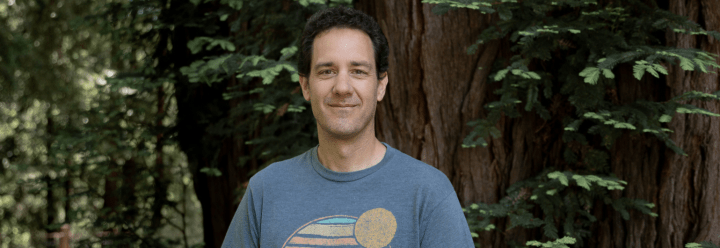
I primarily study how interactions between physical, biological and chemical processes shape the response of coastal marine ecosystem from planktonic organisms to mid and higher trophic level species.
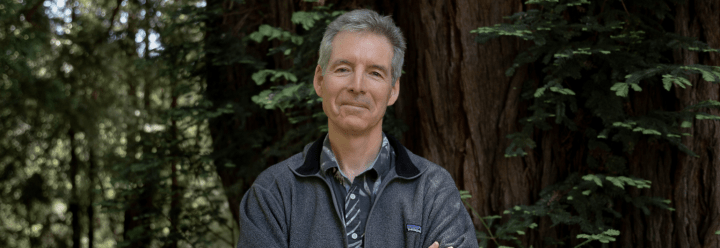
My research involves ocean circulation modeling, data assimilation, and ocean prediction.